Mga Tubong PPN 0.6 MPa
Mga Detalye ng Produkto: DN65 (D75), DN80 (D90), DN100 (D110), DN100 (D125), ...

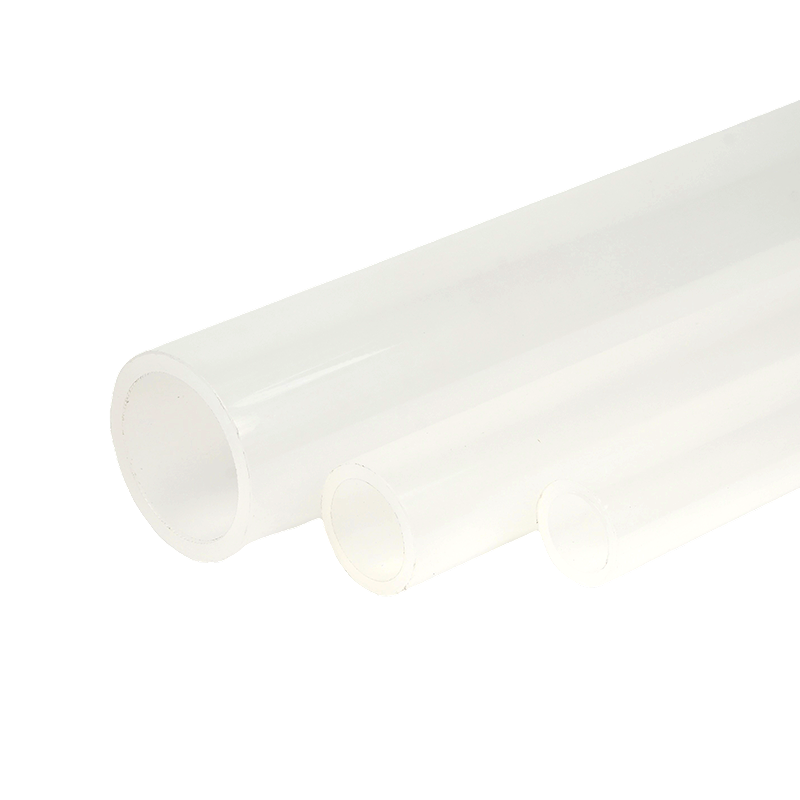
Mga Detalye ng Produkto: DN65 (D75), DN80 (D90), DN100 (D110), DN100 (D125), ...
Ang isang shutdown crew sa isang planta ng kemikal ay may isang trabaho na natitira bago mag-restart: palitan ang isang tumutulo na gasket sa isang balbula na labindalawang metro sa loob ng isang ganap na welded na linya ng PPH. Ang pagputol ng tubo ay nangangahulugang isang bagong spool, isang bagong weld, isang...
Tingnan ang Higit PaPagbili ng plastic ball valve sa pamamagitan ng pagtatanong ng "ibebenta mo ba sila?" ay kung paano ang mga proyekto ay nagbabayad ng dalawang beses. Ang aktuwal na nagpapasya kung ang isang plastic ball valve ay tahimik na tumatakbo sa loob ng limang taon o nabigo sa una, ay ang materyal ng katawan, ang seal ela...
Tingnan ang Higit PaDalawang fitters, isang coil ng 2 sa PVDF pipe at isang crate ng DN 50 flange adapters. Dumarating ang lahat sa iskedyul at walang akma: ang tubo ay may sukat na 60.3 mm sa labas, habang ang adaptor ay ginawang makina para sa 50 mm na diameter sa labas. Ni label ay hindi mali. Ang mga bahagi ay nabibilang lamang ...
Tingnan ang Higit Pa
Mga Detalye ng Produkto: DN65 (D75), DN80 (D90), DN100 (D110), DN100 (D125), ...
Tingnan ang Higit Pa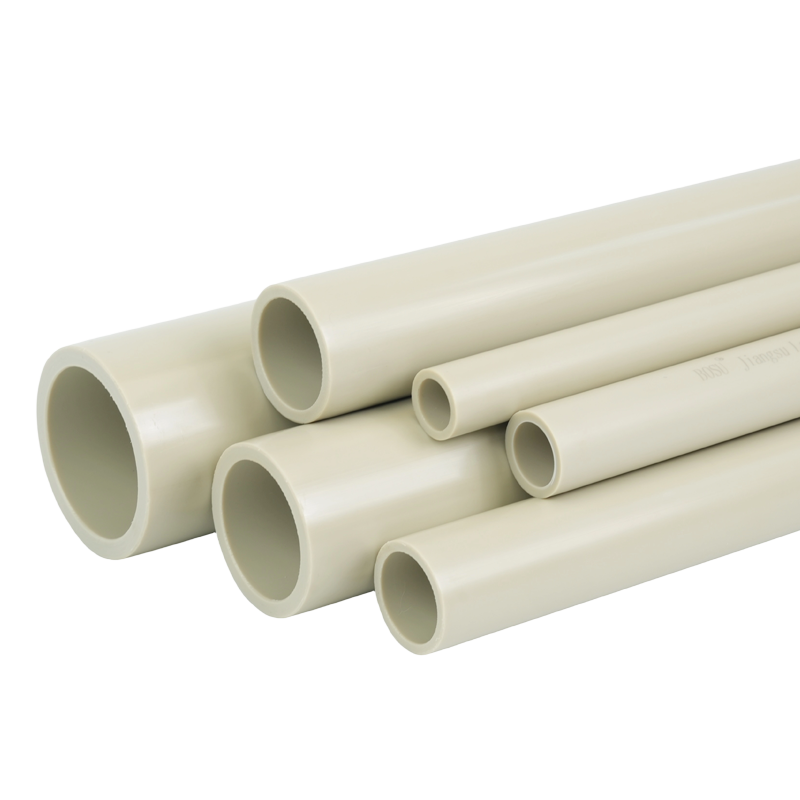
Mga Detalye ng Produkto: DN15 (D20), DN20 (D25), DN25 (D32), DN32 (D40), DN40...
Tingnan ang Higit Pa
Mga Detalye ng Produkto: DN65 (D75), DN80 (D90), DN100 (D110), DN100 (D125), ...
Tingnan ang Higit Pa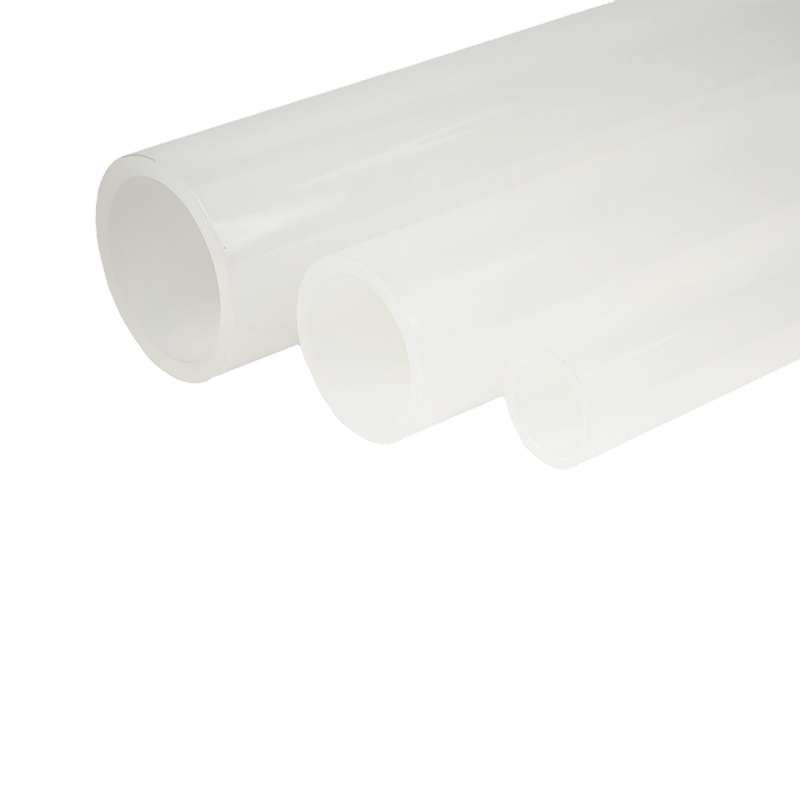
Mga Detalye ng Produkto: DN15 (D20), DN20 (D25), DN25 (D32), DN32 (D40), DN40...
Tingnan ang Higit Pa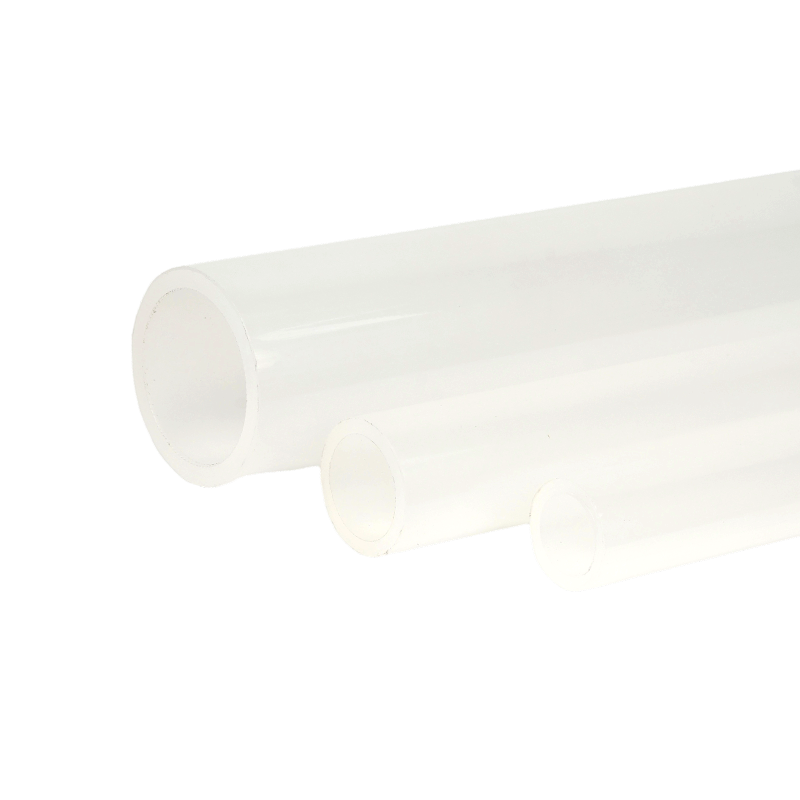
Mga Detalye ng Produkto: DN15 (D20), DN20 (D25), DN25 (D32), DN32 (D40), DN40...
Tingnan ang Higit PaWhat are the main materials of PPN pipes?
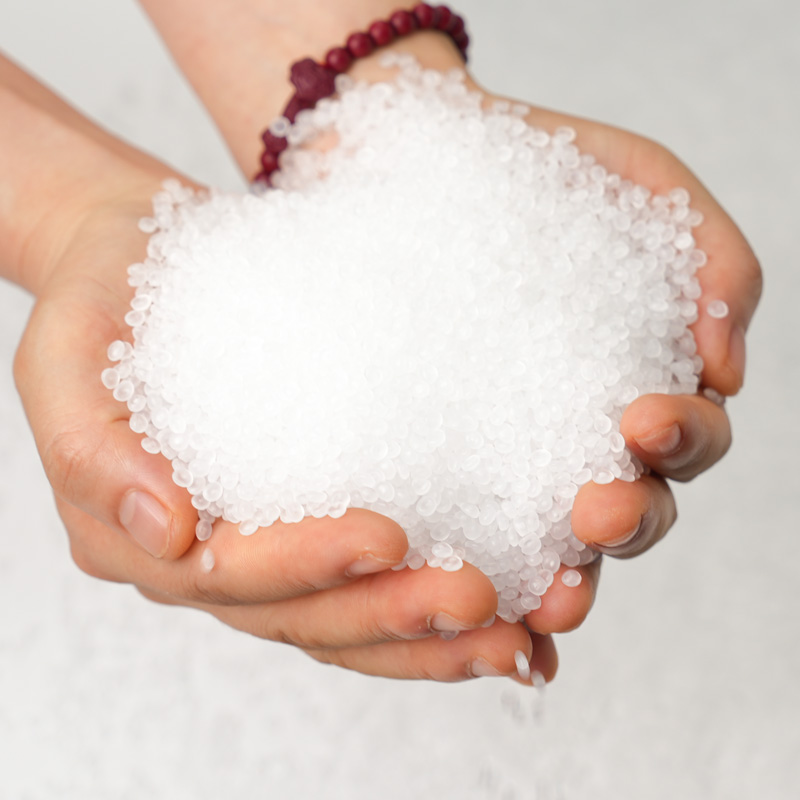
1. Modified Polypropylene (PP): PPN pipes use polypropylene (PP) as the matrix, which is β-modified or copolymerized to give it higher temperature resistance, chemical corrosion resistance, and aging resistance.
2. High Transparency and Low Water Absorption: PPN material has an extremely low water absorption rate (≈0.01%), and hardly expands in aquatic environments, making it suitable for industries highly sensitive to moisture, such as cleanrooms, pharmaceuticals, and semiconductors.
3. Excellent Mechanical Strength: The modified PPN pipe wall is dense, significantly improving impact strength and pressure resistance, and can operate stably in a wide temperature range of -10℃ to +100℃.
What are the differences between PPN pipes and ordinary PP pipes (PPH)?
1. Compositional Differences: PPN pipes use polypropylene raw materials directly, while PPH pipes are β-modified from ordinary PP to form a more uniform and delicate β-crystalline structure.
2. Performance Comparison:
Chemical Resistance: PPN performs better in strong acid and alkali environments, exhibiting stronger corrosion resistance; while PPH also possesses good chemical resistance, it is slightly inferior.
High Temperature Resistance: PPN can be used continuously at temperatures above 100℃, suitable for high-temperature process pipelines; the maximum operating temperature of PPH is generally around 90℃.
Abrasion and Aging Resistance: PPN pipes exhibit superior abrasion resistance and anti-aging properties, resulting in a longer service life, making them particularly suitable for harsh conditions such as chemical and pharmaceutical industries.
3. Application Scenarios: PPN is more inclined towards high-end photovoltaic, semiconductor, chemical, and pharmaceutical fields where extremely high material purity and temperature resistance are required; PPH is commonly used in general industrial pipelines, water supply and drainage, and medium- and low-pressure transmission systems.
Mabilis na Link
Mga Produkto
Impormasyon ng Kompanya
Address: 55 Haichuan Road, High-Tech Zone, Dongtai City, Jiangsu Province, China
Mobile: +86 137 7009 5258
Telepono: +86-515-85479999
Email: [email protected]
Gusto naming marinig ang iyong opinyon!